Recent Posts

12 Reasons: Why you Should sand after priming wood?


Should i sand after applying primer

If you’re diving into the world of woodworking or home improvement, you’ve likely encountered the age-old debate: should I sand after priming wood?

It’s a question that’s sparked countless discussions among DIY enthusiasts and professionals alike.

While there isn’t a one-size-fits-all answer, I’m here to shed some light on the matter and provide you with five compelling reasons why sanding after priming wood might just be the right move.

Key Points: Should I Sand After Priming Wood?

1. Smoothness Matters: Sanding after priming wood helps create a smooth surface, eliminating imperfections and brush marks. This sets the stage for a flawless paint finish that looks professional.

2. Enhanced Adhesion: Sanding provides a slightly roughened surface that boosts paint adhesion. This extra grip ensures your paint job remains intact and resists peeling, even in high-traffic or outdoor areas.

3. Defeat Grain Raise: For woods that tend to experience grain raise, sanding after priming helps eliminate the bumpy texture caused by swollen wood fibers. This results in a polished, even surface.

4. Artistic Freedom: Sanding lets you play with color and texture. You can strategically sand areas to create depth and character, giving your project a unique and artistic touch.

5. Efficiency: A smooth, well-sanded surface reduces the need for multiple coats of paint, saving you time and effort. Plus, it minimizes the likelihood of future touch-ups or refinishing.

6. Protection from Stains: Certain wood types can cause stains and bleed-through even after priming. Sanding after priming acts as an extra barrier, preventing these colorants from ruining your paint job.

7. Seamless Repairs: Sanding helps level out patched areas, ensuring repairs blend seamlessly with the rest of the surface. This creates a uniform canvas for your paint application.

8. Professional Touch: Sanding after priming wood is a technique used by professionals to achieve outstanding results. It’s a step that elevates the quality of your work from good to exceptional.

9. Longevity and Durability: A well-sanded surface is less prone to chipping, cracking, and peeling, contributing to the longevity and durability of your woodworking projects.

10. Mindful Experience: Sanding can be a therapeutic and mindful step in your woodworking process. It allows you to connect with your project on a deeper level and focus on the finer details.

11. Personal Satisfaction: Giving your project the attention it deserves through sanding adds a layer of personal pride and satisfaction to your woodworking journey.

12 Reasons: Why you Should sand after priming wood?

1. Smoother Surfaces, Better Results

Sanding after priming wood is like adding that final touch of finesse to your masterpiece.

Even if you’ve meticulously applied primer, there’s a chance you might end up with a few uneven spots or brush marks.

That’s where sanding comes in as your secret weapon. A gentle sanding session with fine-grit sandpaper helps smoothen out any imperfections, leaving you with a surface that’s ready to absorb paint like a sponge.

The result? A professional-looking finish that’s sure to impress.

2. Adhesion Amplified

Ever wondered why paint sometimes peels off or looks uneven?

It’s often due to poor adhesion. Sanding after priming wood boosts adhesion by creating a slightly roughened surface for the paint to grip onto.

Think of it as providing a textured playground for your paint to bond with.

This extra grip ensures your paint job stays put and maintains its integrity over time, especially in high-traffic areas or outdoor projects exposed to the elements.

3. Say Goodbye to Grain Raise

If you’re working with certain types of wood, you might be familiar with the pesky phenomenon known as grain raise.

This occurs when wood fibers swell after primer application, creating a bumpy texture that’s anything but desirable. By giving the primed surface a light sanding, you can nip grain raise in the bud.

Sanding smooths out these raised fibers, leaving you with a surface as polished as your woodworking skills.

4. The Art of Blend and Blur

Let’s talk about the artistic aspect of your project.

Maybe you’re going for that vintage distressed look or aiming for a seamless color transition between different sections.

Sanding after priming wood allows you to play with nuances of color and texture.

You can strategically sand certain areas to reveal underlying layers, creating a sense of depth and character.

It’s like being an artist with a canvas, and sandpaper is your brush.

5. Time and Effort, Invested Wisely

You’ve put in the effort to prime your wood, so why not maximize the impact of your hard work?

Sanding after priming wood may seem like an additional step, but it’s a shortcut to achieving professional-level results without cutting corners.

Remember, the key is finesse, not force. A gentle sanding session doesn’t take much time, and the payoff is well worth it in the form of a stunning finish that stands the test of time.

6. Say No to Stains and Bleed-Through

Some wood types, particularly those with high tannin content like oak or cedar, are notorious for causing stains and bleed-through when painted.

Even a well-applied primer might not fully block these colorants from seeping through.

Here’s where sanding after priming wood steps in as your troubleshooter.

By sanding the primed surface, you create an additional barrier that helps prevent those unsightly stains, giving you a flawless finish that’s free from unwanted surprises.

7. Patch Perfection

Imagine you’ve patched up knots, dings, or imperfections in your wood with a filler or putty.

While priming helps seal these repairs, it doesn’t always create a seamless surface.

That’s where sanding works its magic.

Sanding after priming wood helps level out patched areas, ensuring they blend seamlessly with the rest of the surface.

Your repairs become virtually invisible, and you’re left with a smooth, uniform canvas ready for your artistic touch.

8. Time is of the Essence

While sanding after priming might seem like an extra step, it can actually save you time in the long run.

A smooth, well-prepped surface allows paint to glide on effortlessly, reducing the need for multiple coats.

This means less time waiting for paint to dry and more time enjoying your finished project.

Plus, when your paint adheres better, you’ll likely need fewer touch-ups down the road, saving you both time and frustration.

9. The Professional Touch

Whether you’re a seasoned pro or a DIY enthusiast, achieving professional-looking results is always the goal.

Sanding after priming wood is a technique that many professionals swear by to take their projects to the next level. It’s that extra step that elevates your work from good to outstanding.

So, if you’re aiming for results that turn heads and garner compliments, don’t skip the sanding—it’s the secret to that polished, refined finish.

10. Longevity and Durability

Woodworking projects, especially those exposed to wear and tear, need to withstand the test of time. Sanding after priming wood not only enhances the aesthetic appeal but also contributes to the longevity and durability of your creation.

A well-prepped surface is less prone to chipping, cracking, or peeling, ensuring your masterpiece remains stunning for years to come.

11. A Mindful Meditative Step

Sanding might sound like a mundane task, but it can be surprisingly therapeutic.

It’s a moment to slow down, focus on the details, and connect with your project on a deeper level.

As you run your hand over the smooth surface, you’re not just perfecting the wood—you’re also indulging in a mindful, almost meditative, experience that’s as rewarding as the end result itself.

12. Your Personal Stamp

Lastly, sanding after priming wood allows you to put your personal stamp on your projects.

It’s a chance to fine-tune, refine, and customize every inch of your creation.

By paying attention to the smallest details, you’re infusing your work with a level of care and dedication that sets it apart.

The pride that comes from knowing you’ve given your all to a project is immeasurable and adds an extra layer of satisfaction to your woodworking journey.

8 Tips for Sanding Before After Primer

1. Choose the Right Sandpaper

When it comes to sanding after priming wood, the right sandpaper can make all the difference.

Opt for a fine-grit sandpaper, such as 220-grit or higher.

This grit is gentle enough to smooth the surface without causing excessive abrasion.

If you’re dealing with rough patches or imperfections, you can start with a slightly coarser grit and gradually move to finer grits for a polished finish.

2. Light and Even Pressure

Remember, you’re aiming to finesse the surface, not strip it down.

Apply light and even pressure as you sand. Let the sandpaper do the work, and avoid pressing too hard.

This minimizes the risk of over-sanding or creating uneven spots. Keep your strokes consistent and go with the grain of the wood for the best results.

3. Mind the Dust

Sanding creates a fair amount of dust, which can be a nuisance and potentially harmful to your health if inhaled.

To keep the workspace clean and safe, consider using a dust mask, safety goggles, and a vacuum or dust collection system.

It’s a small investment that pays off in terms of both cleanliness and your well-being.

4. Test a Hidden Area

Before you launch into sanding the entire primed surface, it’s a good idea to test your sanding technique on a small, inconspicuous area.

This helps you gauge the effect of sanding on your particular wood and primer combination.

It’s better to make any adjustments early on rather than risk damaging the visible parts of your project.

5. Wipe It Down

Once you’ve finished sanding, wipe down the surface with a clean, damp cloth to remove any residual dust.

This ensures that the primed wood is clean and ready to receive the paint. A clean surface promotes better adhesion and a flawless finish.

6. Patience is Key

Sanding after priming wood is a step that requires patience and attention to detail.

Take your time, and don’t rush through it.

Remember, the goal is to achieve a smooth and polished surface that sets the stage for your paint job.

The extra time you invest in sanding will undoubtedly reflect in the final result.

7. Evaluate and Adjust

After you’ve completed the sanding process, take a step back and evaluate the surface.

Look for any remaining imperfections, uneven spots, or areas that might need additional attention.

If necessary, you can perform a light touch-up sanding on these specific areas before proceeding to the painting stage.

8. Enjoy the Rewards

Once you’ve sanded after priming wood and painted your project, take a moment to appreciate the results of your efforts.

The smooth, professional finish you’ve achieved is a testament to your skill and dedication.

Whether it’s a furniture piece, cabinetry, or a decorative item, your project will stand out as a true work of craftsmanship.

Different types of primers for wood


Types of primers

To make your painting job last longer the primary layer which is basically a layer of a primer plays an important role. 

But there are so many types of primers available, which one should I use for my painting project? Let’s find out.

Primers differ in their properties, each has specific uses, pros, and cons and demands a certain surface to better adhere to. Not familiarizing yourself with them will put you at a greater disadvantage.

With that said, regardless of the surface, you’re going to put primer on, metal, concrete, drywall, wood, etc. Understanding them better will give you an advantage in the painting process. Since types of surfaces demand certain primers be applied onto and skip priming is not advisable because the results will be unattractive. 

You can find out more about what happens when you skip priming?

In this blog post, I’m going to review the types of primers available today and will also mention which surfaces they are designed to be applied onto. Let’s get started.

What are some types of primers? 

But first, here are the types of primers.

Oil-based Primer- An oil-based primer has oil as the main agent and is better adhered to oil-based paints but other paints can be applied onto it, such as latex or water-based paints.

Latex-based Primer- They are basically water-based, use water as the base. They come in handy when preparing surfaces other than wood such as unfinished drywall made of bricks or concrete, cost less, and offer a faster drying time.

Shellac Primer- They are also called stain-blocking primers, beetles are used in their production.  For painting over problematic old varnishes, stains, plastic, oil-based paint, metal, and ceramic tile, these are better suited to use as a stain-blocking primer. 

Oil-based primers

Oil-based primers are suitable for many surfaces no matter if the surface is finished with stain, paint, varnish, or a block of bare naked wood. 

These primers have a good adhesive quality, providing an excellent base over porous surfaces since they fill in wood-pores better than any other primer, their dense nature also has a lot to contribute there.

They are also effective at blocking moisture and other hazards. They are good blockers to defend stains from sticking, for instance, furniture tends to collect scum, and that includes nicotine, dust, smoke stains, etc. 

The best thing about oil-based primers and paints is that even if they get dirt on them, cleaning them off is not something difficult and time-consuming. A wet rag is all you need to get your cleaning job done.

Moreover, woods that bleed out such as cedar or redwood can only be primed thoroughly with a primer like this, or stain-blocking primers also do well, water-based primers will not stick to them, if you use them anyway, they will make the finish coat get peeled-off very soon.

Oil-based primers are the best of both worlds, either your project is indoor or outdoor. Since they are designed to withstand temperature effects such as direct sunlight or humidity, as well as indoors they shield a coat that can prevent your kitchen cabinets from getting damaged from smoke. 

Though they emit high VOC compared to latex primers, therefore, people prefer latex for indoor priming projects. Keep in mind that, when it comes to getting them completely off from a surface for some reason, these types of primers take a lot of cleaning effort compared to water-based ones.

Compatible surfaces

Although oil-based primers provide benefits to a variety of surfaces, these are primarily used as a base coat for finishing agents on wood. Metallic surfaces are also an excellent choice because these primers resist the formation of rust, which is impossible for latex-based primers.


Unfinished or bare wood can benefit from oil-based primers because they seal the porous surface of woods, allowing the paint to cover better. These stop the tannins in woods, like cedar or redwood, from penetrating the surface of the paint.

Advantages of oil-based primers

  • Good water-resistant ability.
  • Highly-protective
  • Latex-based paints are compatible.
  • Good Blocking stainers.
  • Used for indoor or outdoor projects.
  • Ideal for bare wood to stop bad tannin’s bleeding effects.
  • Are Easy to clean off.

Disadvantages of oil-based primers

  • Contain High VOC (Volatile organic compounds)
  • Hard to remove off of a surface.
  • Are prone to become brittle when exposed to sunlight for a long period.
  • Have a longer drying time of about 6-8hours.

Latex-based Primer

Latex-based primers should be your best bet if you want to prime on drywalls made of bricks, concrete, or any smooth surface like plastic as well. These are cost-effective than others yet get the job done just fine. 

However, they are not compatible with oil-based paints so you should be using only water-based paints over these primers. This is the most general guideline that must be followed.

With a fast-drying time, you are ensured to get your project painted quickly, also, applying these primers on a surface is easier than oil-based primers. The reason for this is, of course, is their lower density.

And their coats are easy to be cleaned off, unlike oil-based primers, they don’t require any harsh cleaning agent. This ability could be an advantage or disadvantage at the same time depending on the situation you’re into.

Lastly, latex-based primers are problematic if you want to clean any dust or stain from the surface. As they absorb water, they are more likely to become wet, making them more likely to come off when you only clean the dust off.

Water-soluble primers are easy to clean. Low-VOC primers reduce the number of harmful chemicals in an environment by eliminating oil-based or shellac primers.

Compatible surfaces 

The ideal surfaces to use latex primers on are as follows:

In general, the latex-based primers are used mostly on priming walls made of bricks, concrete (not wooden walls) that are going to have chalk-paint or water-based paint. But you can use these primers on plywoods, woods can also be primed in conjunction with galvanized metals and bricks.

Advantages of latex-based primers

  • Cost-effective.
  • Have a quicker drying time.
  • Are easy to apply. 
  • Ideal for priming drywalls, masonry, as well on hardwoods.
  • Contain low or No VOC, which is good for health.
  • Cleaning them off from the surface is easy.
  • Less susceptible to getting cracks when exposed to direct sunlight.

Disadvantages of latex-based primers

  • Over bare woods, they raise the grains due to water.
  • Lack in providing a protective coat to block stains.
  • Create a weak bond with oil-based paints.

Shellac Primer

After latex or water-based and oil-based. The next popular type of primer is shellac primers. Fast-drying these primers, often named bonding primers. They are used on an array of surfaces, including wood, metal, and even on drywalls.

Similar to oil-based primers, their applied coats are tough and offer a stain-blocking capability, woods that leak tannins such as pinewood or redwood, are well covered with these primers. Having them over a surface prevents many stains such as smoke, nicotine, and water damage.

Shellac primers are supportive for both types of paints, water or oil can be applied. However, oil-based paints are ideal and create a stronger bond than other paints.

Although shellac primers work in a similar way for both interior or exterior applications. With that said, indoors on drywall are not as durable as latex primers, and for exterior applications they just do fine, increasing the finish coat strength in harsh environments.

Considering the fact these types of primers are not durable and emit a high amount of VOC. Keeping their use to only exterior applications is a good decision.

Compatible surfaces 

Shellac primers are versatile to be used on almost all surfaces in conjunction with any paint you want that will work just fine.

Generally, the best surfaces for these primers are bare woods, to provide a smooth end-finish by blocking the tannins and any bleeding of a wood. The fast-drying, highly adhesive products can also be used on metal, plaster, and plastic. In painting ceramics, these primers really make a good choice for artists.

Advantages of shellac primers

  • Fast-drying
  • Compatible with oil and water-based paints.
  • Stain blocking capabilities.
  • Suitable for wooden surfaces, provide a protective coat to stop tannins.
  • Effective for in or outdoor applications.

Disadvantages of shellac primers

  • Extremely high VOC primers.
  • Not durable as others.
  • Costly.
  • Prone to get cracked.

where to use which primer

I’ve mentioned below some surfaces where we need to apply primers beforehand painting.

Surface  Primer to use
Bare wood To make a porous surface sealable, use an oil-based or latex primer.
Drywall For smooth, even surfaces, prime drywall with a latex primer rather than with an oil-based primer.
Stain-prone surfaces A stain-blocking shellac primer is recommended for stained wood, bare wood with high tannin content that is prone to bleeding, walls that have smoke or water stains, and cabinets that are coated with grease.
Painted wood Priming over painted wood showing chalking is usually a good idea with an oil-based primer. or chipping; as it dries, it will become denser, smoother, and less likely to have imperfections.
Metal To prevent the formation of rust on metals such as aluminum, use an oil-based primer, which is resistant to rust formation.
Glossy surfaces Especially when the surface is glossy like glass, plastic, or tile, bonding primer is a good choice to apply over them.

Best primers

KILZ Original Interior Oil-Based Primer/Sealer– BEST FOR WOOD

Photo: amazon.com

Kitchen cabinets, bathroom vanities, or frequently used items like bar stools are especially suitable for the coat of this primer.

 This quart-sized container covers between 300 and 400 sq. ft area. It can be top-coated with latex or oil-based finishes after it gets fuller sired to the touch.

With its oil-based formula and tintable appearance, It primer for Kilz Original prevents water-based stains and odors like smoke.

Additionally, KILZ Original is also appropriate to be applied on drywall, plaster, masonry, brick, metal, and glossy surfaces like tile. 

Rust-Oleum Protective Enamel– BEST FOR METAL

The Best Paint Primer Option: Rust-Oleum Protective Enamel
Photo: amazon.com

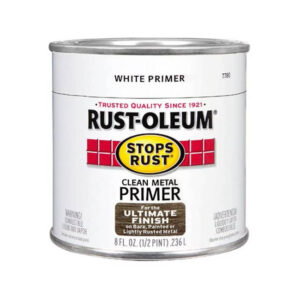
A clean metal primer from Rust-Oleum is available in half-pint containers to cover a maximum area of 55 square feet, is re-coatable in two hours, and must be painted over with an oil-based paint. 

Use this interior/exterior oil-based primer to prevent rust from forming on bare, painted, or lightly rusted metal. 

Despite its smooth and even formula, this primer adheres well to clean metal surfaces (and to less-than-perfect surfaces too).

Rust-Oleum Zinsser Bulls Eye 1-2-3 Primer– Best for all

The Best Paint Primer Option: Rust-Oleum Zinsser Bulls Eye 1-2-3 Primer
Photo: amazon.com

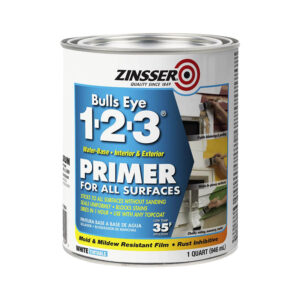
Water-based formula repels solvent-based stains (like grease) and resists mildew and peeling and lasts up to 100 square feet (one wall 10 feet wide and 10 feet tall). 

Faster drying of this primer allows a second coat to be applied in an hour with latex-based or oil-based topcoats.

Applied to walls, furniture, fences, and other interiors/exterior surfaces, this versatile, tintable latex primer adheres as strongly to drywall as it does to wood, concrete, masonry, metal, and glossy surfaces like tile. 

KILZ Adhesion High-Bonding Latex Primer/Sealer– BEST FOR GLOSSY SURFACES

The Best Paint Primer Option: KILZ Adhesion High-Bonding Latex Primer Sealer
Photo: amazon.com

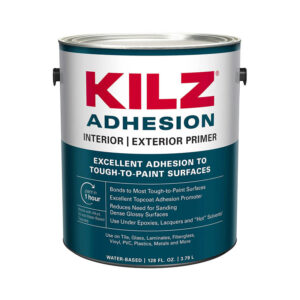
 It comes in one-gallon cans that can cover 300 square feet, dries in one hour, and provides a good base for either latex- or oil-based topcoats.

The next time you’re considering painting a tile backsplash, a lacquer chair, or your outdated gutters, this tintable latex primer can handle a variety of surfaces with its ability to adhere to glass, plastic, tile, Formica, vinyl, glazed brick, metal, and more.

Plywood strength- why is plywood stronger than natural wood?


Medium - Density Fibreboard

Is plywood stronger than natural wood? Here is what you need to know about plywood strength.

So let’s get to the main part of this article.

The difference in strength can be defined as:

Any wood from a tree is chopped into boards parallel to its grain. Because their grains are in one direction, if the lumber cracks, the crack will propagate until the wood breaks apart. 

Plywood panels are made of many layers, each veneer oriented in the opposite direction from the grains. 

Likewise, as one set of grains approaches its breaking point, another, along the opposite direction, will be far more flexible and resistant to breaking, maintaining it and adding strength so that it will not break apart.

This is very similar to the way clothes are stitched.

What makes plywood stronger than natural wood.

  • More specifically, if we have to compare pine wood’s strength with plywood generated from the same wood, for example, pine wood. In no doubt, plywood manufactured using pinewood would be stronger.
  • Because there would be multiple layers that are highly secured using good quality adhesives. That is unlike real pinewood, which only has natural strength.

What do we mean by “strength”?

The term strong ability can be referred to many properties, resistance to water or weather, rot or mildew, or stiffness are some examples. Here in this blog post, the term strength refers to which is less prone to cracking and can support more weight between plywood and natural woods.

In fact, these qualities vary in plywoods as well. Plywoods are available in good and poor quality.

In plywoods the factors that contribute to water resistance, bearing rainy and hot temperatures, being mildew depends on the adhesives used in manufacturing them, and the number of layers (Plies). 

Moreover, the type of wood also plays a significant role in determining the quality of plywood.

How to determine a plywood strength?

Since plywoods are nothing but an engineered product- made in factories. There is nothing special in the process that contributes to strengthening them, apart from some 3 basic factors that I’ve listed below.

  1. Number of Layers 
  2. Type of wood used as veneers
  3. Alternate cross sheeting.
  4. Good quality Adhesives.

If you want to know further how plywoods are being manufactured in factories. I’m leaving a video link here. 

After watching this video you will by yourself better understand how these 3 basic factors are the only factors that contribute to their sheer strength.

https://www.youtube.com/watch?v=3Wh9NYvfStk


Layer count identifies the strength- (More layers mean more strength)

Strength is largely determined by layer count. In general, the layers count in plywoods comes in the odd count. Increased layers increase strength, as it should be obvious to any rational person.

Generally, “ply” is used to refer to layers that make up plywood.

The number of layers used tells us Grades like A grades plywoods usually have 7 plies or more, than C grades which refers to 3 plies.

It is possible to find thicker plywoods that have fewer layers compared to thinner plywoods with several layers.

  • 3-Ply

  • This type of plywood has three layers of plywood, it has the strength and durability of plywood with more plies but looks more decorative, so it is suitable for indoor projects such as shelves or crafting any DIY wooden project.

  • 5-Ply

  • The veneers of five-ply wood are stacked on top of each other. Although these plywoods have a high level of strength, they are not suitable for exterior use where hefty support is required, such as beams for roofs or as decking. 

  • 7-Ply or more

Several veneers can be used, usually, seven or more, to create an extremely strong, resistant frame that resists wind and damage. 

Typically, plywood with this layer count is mainly used in roofing and exterior applications.

They can even beat the strongest hardwoods in strength such as oak, walnut, and maple.

Veneer type affects the strength

Plywood strength is strongly influenced by the type of wood that has been used in veneering. 

This is divided into main groups. 

  1. Softwoods
  2. and hardwoods.

  • Softwood veneers, such as cedar, redwood, and pine, make cheap plywoods that are strong enough to be used in applications that require a significant level of strength.

They are often used in the construction of rooftops, decks, and even as a form of exterior frame sheathing. 

  • Hardwood plywood panels tend to have 5 to 7 layers or more layers can be added as per demand. It is extremely difficult to construct plywoods stronger than this.

Cross-sheeting, A reason for the strength

Why plywoods have more strength compared to any wood because of this factor: cross-sheeting. 

This is already mentioned on the top, let’s twice describe it here.

  • Wood veneers are layered and glued in alternate directions so any weakness in one grain is countered by the layers above and below it in man-made boards. 

  • The majority of the grain in a natural timber runs in the same direction; the grains are also generally much farther apart, which makes the wood more brittle than plywood; it also contains knots that can seriously weaken wood depending on the size of the knots and how many there are. 

  • It is also possible for solid wood to shrink, causing cracks and shakings, which weaken its strength. 

  • For some structural purposes, plywood with an equivalent thickness will be much stronger and more flexible than real wood, making it much less likely to break under stress.

  • Regular solid wood is strong; however, all the grain is running in the same direction. While this creates strength under some circumstances, it can create weakness in others.

Good quality Adhesives

The main benefit of plywoods over natural wood also lies in which adhesive has been used in the manufacturing process.

  • Additives serve as the final coat, using them can make a board resistant to water, temperature, sunlight effects, insect-proofing, as well prevent mildew and hazards can be prevented with the right adhesive.

Considering that plywoods for different purposes use different adhesives.

With this being said, aircraft plywoods (one of the highest quality) use top-quality adhesives to prevent water-damaging effects, temperature effects. 

Are plywoods the strongest of all the natural woods?

To conclude here, plywoods can be the strongest of all the natural woods or can be weak.

Because their strength does not come from nature. Instead, it’s about how a board is made, which wood and adhesive have been used as well as how many layers are glued. 

Without knowing these required factors, it’s not possible to certainly speak of the strong ability plywood will serve you nor possible how much weight it can hold up.

Advantages and disadvantages of oak wood


oak tree

So what are some of the advantages and disadvantages you will be getting with Oakwood? Read on the find out.

To start with, if you are buying your home furniture either for outdoor or indoor uses.

Mind that the oakwood is one of the best hardwood you can buy while spending less money.

Oakwood furniture is in demand for years, it is among the highest quality, durable, and has beautiful grain patterns due to its natural appealing color and look.

Let’s talk about the advantages of oak wood now so you will be ensured that your investment is safe and will last for years.

Advantages and disadvantages of oak wood

Let’s talk about the advantages of oak wood now so you will be ensured that your investment is safe and will last for years.

Advantages of Oak

Oak is Durable: The overall durability of oak furniture is amazing, you can be assured and worry-free for years to come.

Only a few can match with it in terms of durability like cherry or walnut, both of which are expensive.

Many people consider oak furniture an investment because oak is water-resistant, which means it won’t warp, scratch, dent, or otherwise deteriorate over time.

Oakwood resists water: Oak is a hardwood, so like other hardwood, it resists water effectively than softwoods and man-made woods.

It’s because of the natural structure of the oakwood trees, the pores are enclosed and leave in space between.

Meaning that it doesn’t allow water to easily penetrate the surface, preventing it from hazards of water like warping, getting fungi, and expanding.

Oak is hard, resist scratches and dents: Oak is one of the heavy wood in the world.

The surface is hard as dense woods have a pretty solid surface that does not easily get scratches or dents that can happen accidentally.

Having kids in the house is no problem if you have oak wood furniture. They would not be able to damage it. Moreover, with an extra layer of finishing oil the oak wood can be even protective.

Oak can easily be shaped into designs: One of the advantages of oak wood is that it can be shaped into any bespoke design.

So if you want to build furniture that does not just only last long but also looks appealing, oak is a very nice choice for you in this regard.

Pleasant Odor: The fume that oak naturally has is so pleasant, smells fresh, and spreads positive vibes in a place.

The tannic content is the reason behind that pleasant smell.

Resistant to termites: The tannin content of oak wood has also kept the termites stay away, kill insects, and increase the life span of furniture made out of it.

So, if you live somewhere where the bugs are harming your furniture, such as the case with outdoor furniture where insects cause terrible problems.

Then look no further than oak, it is a nice decision to consider to naturally protect your investment.

Beautiful grains: Many people like the look of oak wood, with beautiful patterns of grains, and the darker reddish or sometimes brownish color looks very appealing to the eyes.

With that being said, oak furniture can add warmth to any dull space.

Cost-effective: Besides the fact every hardwood is expensive, but looking at the prices of hardwoods like cherry, maple, walnut, oak wood is one the less expensive wood you can buy. So, therefore, it’s sometimes known as the cheapest hardwood. 

Suitable for outdoor furniture: People often prefer oak wood for their patios.

As there are only a few options of wood available of which furniture can last longer in open areas, and can suffer weather.

But, oak has the ability to do that, it can withstand rough weather and protect against the effects of humidity.

However, using a finishing coat of linseed oil can even enhance the level of protection when it comes to protection against humidity.

Suitable for many finishes: One of the advantages of oak wood is that it homes almost every finish.

Regardless of oil-based such as linseed oil or any priming coat.

You can easily apply it to the furniture to the extent of the protection as well as enhance the overall look.

Disadvantages of Oak

It’s heavy: Aside from the fact that oak is heavy, but this can be problematic sometimes.

Mainly when moving the furniture here or there, due to heavyweight the chances of getting cracks are high.

Expensive: You will find oak furniture is expensive than others in the market.

So people looking for a cheaper option might not appreciate the cost, as it can be twice as much as buying furniture of man-made wood.

Prone to get cracked: Oakwood can get cracks under two conditions: Either you keep it outdoor for years in the burning sunlight, without any finishing coats or it can break if dropped or get hit by any solid material as being heavy has cons too.

This Is Why Woodpecker Tools is Worth The Price! (3 Reasons)


Tool companies are always looking for new ways to increase their sales and keep up with the competition.

One way is by developing a line of tools that are specifically designed for woodpeckers. Woodpeckers love them!

This article will tell you everything you need to know about these revolutionary tools, including the pros and cons before you buy one.

Are Woodpecker Tools Worth It?

The answer to this question is not as straightforward as it seems.

Woodpeckers tools have both pros and cons, which you need to consider before making a purchase.

PROS:

  • Woodpeckers tools are specifically designed for woodpeckers, so they’re perfect for the job!
  • They’re extremely durable and can withstand a lot of wear and tear.
  • They’re also very easy to use, which makes them perfect for beginners.

CONS:

  • Woodpeckers tools are a bit more expensive than other tool brands.
  • They also require more maintenance, so you’ll need to clean and oil them regularly.

Woodpeckers’ tools are perfect for woodpeckers.

They’re specifically designed to withstand the rigorous demands of this job, so you don’t have to worry about them breaking or wearing quickly during your project.

This makes them great for beginners who want a reliable tool that will last through their first few projects without any issues.

However, they’re not exactly cheap, so you’ll need to consider whether or not they’re worth the investment.

Some people don’t mind spending more on a better tool that will last longer without breaking down in the middle of their project.

If you fall into this category, then woodpeckers tools are definitely worth it!

If price is your biggest concern, then you might want to look into other brands that are more affordable.

However, if the price is not an issue and you’re looking for a tool that will last through just about any project, then go for woodpeckers!

Woodpeckers VS Other Brands

When comparing woodpeckers’ tools to other brands, it’s important to keep in mind that woodpeckers are a specific type of tool made for a specific job.

Other brands are more general, so they can’t be expected to perform as well.

Price:

The price of woodpecker tools is usually slightly more expensive than other brands, but this isn’t always the case.

Every brand of tool has its own price range depending on the quality of the materials it’s made out of, so this isn’t always an accurate measurement.

However, when comparing apples to apples, woodpeckers is a bit more expensive.

Quality:

When it comes to quality, woodpeckers is at the top of its game.

A woodpecker tool will last through just about any job you throw at it, while other brands may not be able to hold up on projects that are even slightly too demanding.

If you’re looking for a tool that will last through your most difficult projects, then you should go with woodpeckers.

You can expect your tool to be able to withstand years of use without any loss in quality.

Versatility:

Woodpeckers tools are not as versatile as other brands.

They’re specifically designed for wood pecking, so they don’t have the same range of functions that other brands do.

This means that if you’re looking for a tool that can do multiple things, woodpeckers may not be the best option.

However, if you’re looking for a tool that is designed for one specific purpose, then woodpeckers are the right choice.

Durability:

When it comes to durability, woodpeckers tools are by far the most durable of all brands.

They’re designed to withstand the rigorous demands of being a sturdy woodpecker, so you can expect them to last through countless projects without any problems.

Other brands are not as durable or reliable.

Ease of Use:

They’re also extremely easy to use, which is perfect for beginners.

Other brands can be a bit more difficult to learn, so woodpeckers is a great option for those who want a learning experience that is as easy as possible.

Maintenance:

Maintenance is definitely the biggest drawback to woodpeckers tools.

They require more frequent maintenance than other brands, so if you don’t mind maintaining your tools regularly, then they’re not a bad option.

However, if you don’t have the time or patience for additional maintenance, then woodpeckers may not be the best fit for you.

Availability:

Woodpeckers are not readily available at local stores like Home Depot or Lowes.

You can purchase them online through sites like Amazon or directly from the manufacturer’s website.

Only a few brick and mortar retailers carry woodpeckers tools. But if you don’t mind shopping online, then they’ll be very easy to find.

Tool Range

Woodpeckers continues to expand their line of tools to include nearly any tool you’ll need for woodworking or other related tasks.

Unlike other tool brands that only have a few options, woodpeckers offers nearly anything you can imagine.

Some Best Tools:

  • DUAX Angle Drilling Table.
  • 8-PC TWIST LOCK RING SET.
  • RackBit Router Bit Storage System.
  • StealthStop.
  • Iron-Grip™ Coping Sled.
  • Exact-90 Miter Gauge.
  • Morty™ Loose Tenon Joinery Jig.
  • FULLThrottle™ Blast Gate.

What People Think About Woodpecker Tools?

We read through a lot of reviews, and what we found was:

People who bought woodpeckers tools love them!

They really appreciate that they’re specifically designed for woodworking.

People also like how durable they are. They can withstand a lot of wear and tear without breaking down on you in the middle of your project.

Customers also appreciate that these tools require less maintenance.

One downside that was consistently mentioned was the price. Woodpeckers tools are more expensive than other brands, but people seem to think that they’re worth the investment.

Can I Use Woodpeckers Tools for Other Projects?

Yes, you can! As long as they’re made for woodworking, you can use woodpeckers tools for any project you’re working on. They’re extremely versatile and can be used for a variety of tasks.

Sources:

Are Woodpeckers Tools Worth The MONEY!?

Woodpeck.com

Is Oakwood good for furniture?


How is the quality of oak furniture? We’ve discussed it below.

When one chooses wood for their furniture they always go for the most durable one which not only suits the budget but also offers them a finesse touch. 

Why oak furniture is good?

The reason why oak furniture is so good is that it’s one of the least expensive hardwoods in the US. The duality of getting hardwood furniture at a cheap price makes it stand out from the crowd, with high tannin content, beautiful grains, appealing look, and the peace of mind that the furniture to last for years are the most obvious advantages you will be getting.

It’s better than alternatives:

Like the other options such as higher quality hardwoods cherry, walnut, are a bit more expensive. And the cheap alternatives are engineered wood and softwoods. Read engineered wood does not make good beds.

So oak falls in-between, connecting dots of getting good quality hardwood furniture at decent rates.

The specialty of Oak is that it makes good quality furniture, durability is something that you will be getting with oak wood. Oak is often used for doors, tables, beds, and even flooring! Due to its neat grainy touch, its demand is quite heavy!

Well, that must have given you a crystal clear answer but why is Oakwood good for furniture and most importantly why should you choose it?

If you’ve got similar questions this article got you covered! Read Advantages and disadvantages of Oakwood?

How good is Oak wood for furniture?

Oakwood has such good reviews because its high tannin content is quite impressive. Keeping the wood stay away from insects, and seasonal bugs. Which makes the wood good not does only for indoor but outdoor uses.

This richness in tannin makes the wood stand out from other species. It not only makes the wood more durable but also resistant to pests. So this is one of the major advantages of buying Oak because as you must be aware if wood gets infested it’s quite hard to go through the entire process of getting rid of the infested wood.

So, it’s better to choose the wood that has lower chances of being attacked. 

However, this was just one of the many good qualities of Oakwood. The following characteristics of Oakwood should check all the boxes on your to-buy-wood list! 

  1. Strength

The tensile strength of Oakwood is phenomenal! It has a density of 0.75 g/cm³ which is the main reason why it can withstand much weight. It is ideal for building furniture we use to put weight on, such as tabletops, chairs, beds, etc.

Oakwood is perhaps the best choice if you’re choosing the kind of furniture which will always be under a certain weight.

This high strength of Oakwood also accounts for its bulkiness.

So, if as a kid you ever wondered why most of the furniture at your grandparents’ house was so hard and bulky. Well here is your answer! Those were might be oak furniture.

  1. Resistance to moisture

Keeping water off the wood is a common practice. But how far can one protect the wood?

Especially if it’s the dining table. But if you choose Oakwood you won’t have to worry much about this issue.

In fact, Oakwood is almost impervious to water which is why for most outdoor furniture oak wood is used. And due to this characteristic, in the olden days, Oakwood was used to make boats. 

  1. Appearance

The grainy texture of Oakwood gives it a distinctive beauty.

This unique pattern of Oak makes it quite famous for making coffee tables and bookshelves. It gives the interior of your house an outstanding look.

If you’d love to give your house an elegant touch then you should go for white Oakwood because no one does the job better than it! 

  1. Easy maintenance 

The initial cost of Oakwood is pretty high but it is all worth it because, in the long run, you don’t have to invest much for its maintenance. All you’ll need to do is just to clear the dust off the furniture. Nothing other than this is required for you to do! 

However, if you want your furniture to always have its elegant touch then you can moisturize it with oil at least once a month. This ensures that the Oakwood does not crack and maintains its superior look. 

How long does Oak wood last?

Have you ever wondered how the furniture dating back to colonial times is still surviving?

Well, this is because it was made of Oakwood! Furniture made out of Oak rarely needs to be replaced because of its strength and durability. However, longevity differs from type to type. 

For instance, white oak wood will last longer than redwood.

The environment has a great impact on the life span of oak wood furniture. So, before you finalize Oak make sure that you’re choosing it for the right kind of furniture.

How can you do that? Well, it’s easy to ask yourself these simple questions:

  • Will my furniture be in contact with soil?

If you’re choosing wood for your gardening furniture. Then the decay and rotting factor must have worried you. There are no species of wood that do not decay.

However, Oakwood decays at a much slower rate in comparison to other woods. You should go for white Oakwood if the furniture you’re interested in the building will always be in contact with the ground. 

  • Will my furniture be high above ground?

If this is the case then your furniture can last almost forever! Assuming that you take good care of it and keep it in a dry environment at all times. 

  • Will my furniture be exposed to the outside environment?

If your furniture will be kept inside the house then it’s your call to decide whether you want to choose Oak or not.

Because all kinds of solid wood furniture can last for 10-15 years inside the house.

But if the furniture has to be kept in sunlight then Oak should be your final choice. This is because Oak, comparatively, does not fade as much as other woods. In fact, most of the time the user doesn’t even notice the color change as the discoloration is usually subtle.

Is Oak wood expensive to get? 

If you even have basic knowledge about wood you must be aware that Oakwood is one of the most expensive wood types.

And it’s rightfully this expensive! Oak has a very high initial investment but its elegance and longevity are worth the money.

Oakwood might be heavy on your wallet but it will save you from the misery of changing your furniture every two years. Perhaps the furniture you’ll buy today might even become generational furniture!

And this is not an exaggeration in fact most of the old furniture in your house must be of Oakwood. So, the decision is yours; money or high-quality furniture? 

What are the drawbacks of buying Oak wood? 

However, there are a few disadvantages of Oakwood furniture too. But luckily its advantages outweigh its drawbacks.

  1. Stains

Oakwood furniture is notorious for staining. Due to its grainy texture, Oakwood can get stained pretty easily which ruins its appearance. Unless you take extreme care of your furniture and moisturize it regularly. 

  1. Difficult to move

As mentioned earlier Oak wood furniture is bulky due to which it is difficult to shift it every now and then. However, if your furniture will stay in one place then this won’t be an issue for you.

  1. Costly

Oakwood is perhaps one of the most expensive wood types. However, this is not a drawback if you change your way of thinking because the initial investment of Oakwood is high but then its other advantages repay the heavy costs. 

  1. The finishing can get tampered with

This is common for Oakwood furniture because due to the high tannin content the polish gets affected. 

Keep in mind that even Oakwood has varieties. In fact, there are around 600 types of Oakwood but the most commonly used are Red Oak and White Oak which are equally as good. However, they have different applications!